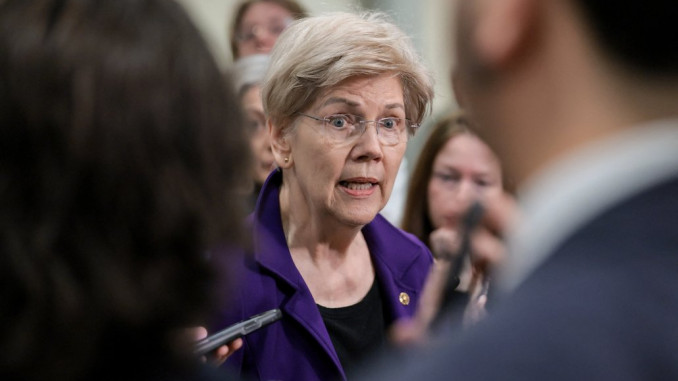
We have recently seen Democratic Senators like Elizabeth Warren or Cory Booker standing in front of cameras, looking stern, and speaking to reporters. They use words like “disturbing,” “dangerous,” and “unacceptable.” They say the Trump administration “cannot explain the reasons we entered this war.” They demand public hearings. They want answers.
But the truth is that their outrage poses no real obstacle to the Trump administration. It is a feature of how the system works. Their job is not to stop the war. Their job is to manage your anger about it.
Both the Senate and the House of Representatives voted on a War Powers Resolution, a formal attempt to limit Trump’s ability to declare war on Iran without congressional approval. The resolution failed. In the Senate, it largely followed party lines, with nearly all Republicans voting to continue the war. But in the House of Representatives, a handful of Democrats voted with Republicans to reject the resolution. When they tried to explain themselves, some said they had “many concerns” about the war, but that a sudden change of course was a bad idea because troops were already fighting. Others said they didn’t want to send “the wrong signal to our adversaries.” In other words: we oppose the war, but not enough to stop it. We have concerns, but not concerns that compel us to act.
The rest of the Democrats voted in favor, allowing them to put their opposition to the war on record. They can send fundraising emails saying they stood up to Trump. They can look their constituents in the eye and say, “I tried.” But they knew the resolution was going to fail. They knew the Republicans would block it. So, their vote in favor cost them nothing: it was a gift that allowed them to claim to be the anti-war party without having to end the war. The few who voted against it may also get something: they can appeal to more conservative, pro-military voters by saying they supported the troops. In any case, the party leadership comes out on top. They can publicly criticize Trump while the war continues.
This brings us to the real question: what is the Democratic alternative to Trump’s war? Is it peace? No. Just look at what they are demanding: public hearings, clarity on objectives, explanations from the government. They don’t want to stop the bombing. They want a better-managed bombing campaign with better press releases. At the end of the day, Democrats and Republicans share the same basic premises: that the United States has the right to dominate the Middle East, protect its allies no matter what, and project its military power wherever it wants.
Understanding this reality is key for all of us. The funding used to kill continues to come from healthcare, schools, affordable housing, and much more that we need. Families in Iran, Lebanon, and Gaza continue to bury their children. The Democratic Party tries to convince us that it is possible to keep the system under control, that they are fighting for us. But when you look at the votes and the funding, the truth is clear: they are fighting for the same team. They just want to be the ones making the decisions. And as long as we confuse press conferences with resistance, they will continue to play that role, trying to manage our anger while the war continues. Real opposition only happens when workers and other victims of the system organize, refuse to remain silent, and build something that answers to us, not to them.