On May 5th, an oil tanker called the New Corolla arrived off the coast of Los Angeles, California. It was the last shipment of oil headed for California to pass through the Strait of Hormuz before the beginning of the U.S. and Israel’s war on Iran over 2 months ago. It might be shocking to some of us in the U.S. that we haven’t even faced a supply shortage from this war until now. After all, the average price of gas in this country has risen to over $4.50, from $2.98 before the war began. In California, it’s over $6.16! But really, we have only just begun to feel the effects of this war, effects that will be long-lasting, wide-ranging, and most harmful for those who are already poor and disadvantaged under this global capitalist system.
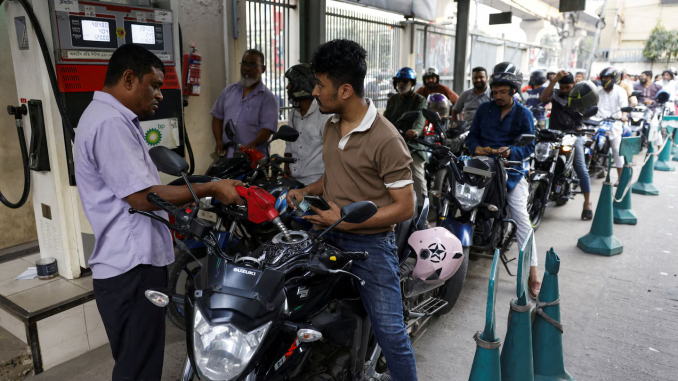
From the beginning of the closure, countries that relied most immediately on the Strait of Hormuz for their national energy demand were hit hardest. Countries such as Pakistan, Bangladesh, and the Philippines import the vast majority of their oil and have small national oil reserves. These nations saw fuel prices skyrocket as soon as the war on Iran began. In early March, Pakistan implemented a 4-day work week and closed schools in order to save energy. Drivers and transportation workers in the Philippines went on strike to protest the high costs that are making it impossible for them to survive doing their jobs. In Bangladesh, the shortage has gotten so bad that many gas station workers have been assaulted by desperate people when they’re told there is no more gas. These cases are not unique, and will only become more common as the fuel shortage crisis becomes more severe across Asia and Africa in particular.
Farmers are faced with a dual crisis: at the same time that the fuel they need to run farm equipment is skyrocketing in price or completely unavailable, fertilizers are also becoming scarce. The Hormuz Strait is a major highway for fertilizer chemicals such as urea and ammonia, which farmers rely on all over the world, especially now, during planting season. The blockage of fertilizer chemicals promises to affect the global food supply long past the end of this war. Farmers being forced to plant less now means shortages for months to come. Countries like Sudan rely heavily on fertilizers from Gulf monarchies, and their food production would be seriously reduced even if the Strait of Hormuz were to open in early May. Around 19 million people in Sudan are already facing famine conditions after three years of civil war, and the results of a reduced harvest combined with the interruption of humanitarian aid, also due to the Iran war, could heighten this catastrophe immensely.
Under the global economic and political system of capitalism, the ruling elite of one of the richest countries in the world can unilaterally decide to start a war that will not only directly cause the deaths of thousands of innocent people, but also upend the global economy and leave entire countries in a critical shortage of food and energy. This war highlights our dependence on fossil fuels for the functioning of all aspects of society, as well as the fragility of our access to that resource. It also highlights how in moments of crisis, the people and places that have been the most exploited under capitalism and imperialism once again take the brunt of the consequences, while the beneficiaries of the weapons and fossil fuels industries continue to profit. It is our moral obligation to oppose these wars of domination, and stand against them in solidarity with the everyday people who pay the price. We all have a right to live in peace and safety, and we must fight for a world where that is possible.