The General Assembly of the United Nations (UN) met in New York City during the last full week in September. As usual, there were a lot of performative promises, threats, and discussions, but with no real solutions for the worsening crises: war, climate collapse, global debt, and AI doom.
Despite the UN recognizing Israel’s genocide and atrocities against Palestinian people, and the International Criminal Court issuing an arrest warrant for his crimes against humanity, Netanyahu was able to give a speech at the assembly, dismissing allegations and defending Israel’s right to wage war on Iran and Palestine. Many UN delegates walked out in protest, but this did not change the fact that Netanyahu was allowed to speak and continues to lead a genocidal administration committing atrocities against Palestinians and Lebanese. Meanwhile, the Palestinian government officials, who have UN observer status, were not even granted visas by the U.S., to come to the meeting.
In addition to Palestine, Trump used the meeting to threaten Cuba and Iran, while saying he remains open to discussions with the Iranian representatives about peace talks. He is constantly trying to maximize U.S. benefits in oil markets, while still trying to appear tough. He’s not fooling anyone.
The topic of AI also became a central discussion, with the question of global regulations. Trump, claiming that the U.S. is leading China “by a lot” in AI development, argued against any type of global AI regulation, while China, among other countries, was open to collaboration on AI safety.
The UN does not have solutions to the growing number of crises we are facing around the world. Founded in the aftermath of World War II, the United Nations was created by the victors of the war, led by the U.S. government, on promises of world peace and collaboration. In reality, the victorious powerful government gave themselves veto control of the most important decisions.
Today, amidst growing competition around AI, the world’s dwindling energy sources like coal and oil, and the heightening climate crisis, the bureaucratic body of the so-called world leaders has never managed to keep capitalism peaceful. All they’ve managed to do is redirect our frustrations about the world situation into formal and bureaucratic meeting halls.
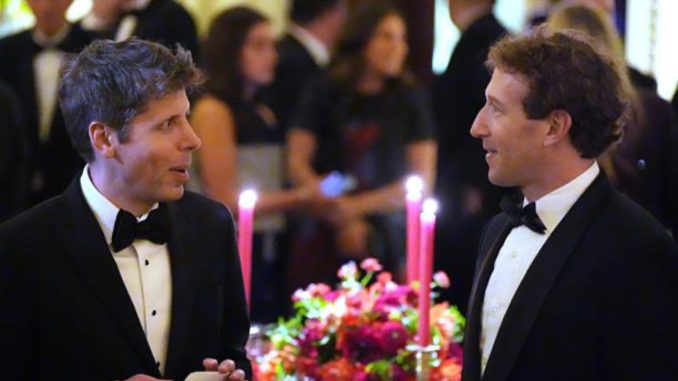
We saw where the real decisions were likely being made behind the flashy, expensive state dinner at the White House where Trump and China’s President Xi Jinping touted their day of diplomatic meetings together. The dinner was notable: in addition to U.S. and Chinese government representatives, over thirty CEOs, mainly from the tech industry were present. This included Elon Musk (SpaceX, Tesla), Mark Zuckerberg (Meta), Kelly Ortberg (Boeing), Sam Altman (OpenAI), Sundar Pichai (Google), Jeff Bezos (Amazon), and other CEOs of massively powerful companies in the technology, communications, energy, investment, pharmaceutical, and auto sectors.
The U.S. and China have been escalating tensions as they compete for larger sections of the global economy – and they both see AI and related technologies as the edge they need. It is the frontier where their capital interests can expand. So, the dinner was an opportunity to show off their strengths and actually negotiate with the capitalists controlling this whole system. But capitalists cannot solve the problems caused by capitalism. Their profit incentive still launches the world towards competition for the top spot, with war, worsening working conditions, climate catastrophe, and resource shortages as costs of doing business.
In the midst of all this, the uselessness of the UN meetings to address the enormous environmental, economic, and military crises became even more obvious. If so-called leaders are storming out in protest, who do they expect to change the situation? Who do we expect to do it?
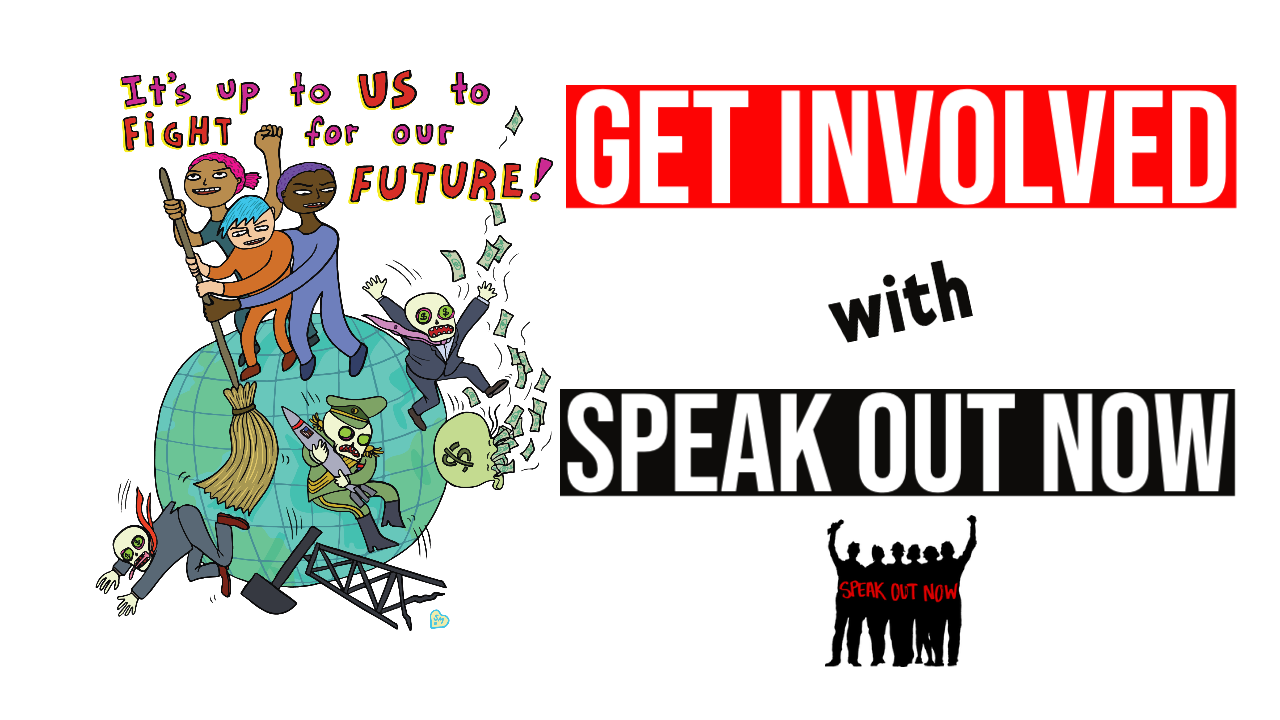
Only working people have the power to change the course of the dire future we are facing. Rather than hoping collaboration of the capitalist rulers will “maintain peace,” we could build actual global collaboration for our needs and interests. We saw glimpses of what this could look like against the atrocities in Gaza. In 2025, the Sumud Flotilla was an international response, where over 500 civilians from over 44 countries sailed to deliver aid to Gazans. When Israel intervened, port workers in Italy launched a strike to “block everything.” These acts forced governments to take some action, and peace plans were at least signed into effect. Despite these being empty promises, we can glimpse where our real power comes from and what we could do. With enough organization, working people and our allies can take decisions into our own hands.