On April 1, the Trump administration posted a video from a White House luncheon, which was quickly taken down, where Trump made his plans loud and clear, saying: “It’s not possible for us to take care of daycare, Medicaid, Medicare, all these individual things…We have to take care of one thing: military protection.”
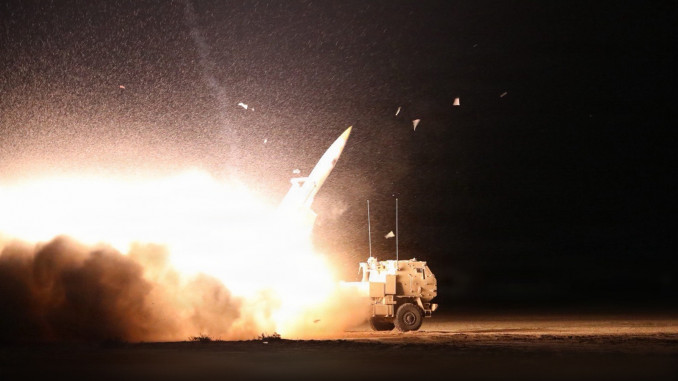
He may be a fool, but this was no April Fools’ joke. This is the plan: to take hundreds of billions of dollars from the funding of “these individual things” that we all need, and use those tax dollars to fund more weapons and other military costs for their war on Iran and future wars.
These are the priorities of the people in power: wars, which increase their wealth by plundering and expanding their control over the world’s resources, especially oil. Their uncontrolled power and domination are an attack on our well-being and life on our planet.
At the end of March, we saw another display of potential power in the “No Kings” demonstrations. More than eight million people in more than 3,300 cities and towns across the U.S. protested against the policies of the Trump administration. There were also demonstrations in more than a dozen other countries in solidarity, most calling for an end to U.S. wars.
Watching coverage of the bombing of schools, hospitals, apartment buildings, and oil reserves in Iran has been horrific. Thousands of Iranians have been killed by bombings, and tens of thousands injured, most of them civilians. And the U.S. is preparing for ground invasions and sending more U.S. airpower to the region. This war is costing us more than a billion dollars per day.
The attacks on Iran are another attempt to control the world’s oil flow, and they are having a serious impact worldwide. The oil distributed through the Strait of Hormuz supplies countries around the world. It is estimated that Viet Nam, Thailand, and Singapore have only about 20 to 60 days of oil reserves left. Control of oil means control over much of the world’s economy.
These wars don’t just affect the control and price of oil. As Trump said, we will be the ones paying for this war by losing our access to food (SNAP), healthcare, education, social security, environmental research and protections, and more. Food and gas prices will increase even more than they already have. All goods that are transported to us, which is nearly everything, will cost much more to distribute at each step of the supply chain.
The size of the U.S. military operation is enormous, but their power is not absolute. They want to scare us into silence, whether through ICE in our cities or threatening to take away our rights and our resources. History shows us how powerful our response can be.
In the 1930s, the bosses refused to recognize workers’ basic rights. But when workers occupied their factories or went on strikes that spread across cities, the right to organize unions was recognized. When Black people mobilized across the South against segregation and denial of their rights, basic civil rights and social programs were put in place. Opposition to the war on Viet Nam helped bring an end to that war. Today, growing numbers in the U.S. military are registering as conscientious objectors.
The eight million people who demonstrated at the March No Kings Day represent the tens of millions who are angry or fearful about the state of the world who did not join the demonstrations.
Now it is time to think about what eight million people and more could begin to do to organize and mobilize others around us. This won’t happen overnight, but the No Kings demonstrations can be a start. We can build on the organizing that is going on across the country, in neighborhoods and workplaces to oppose ICE attacks.
There is an effort to organize mass mobilizations across the country this May Day (May 1), a worldwide tradition of workers demonstrating their numbers and voicing their demands. This May Day is an opportunity for us all to show our opposition to the wars on people of the world and the war on us at home.
Not everyone will be able to take off of work or take to the streets. But the demonstrations in Minneapolis showed us that many can. People can call in sick, take a personal day, or just not show up. We can all do something to build awareness and carry out some activity individually or collectively to be part of this day. We can talk with our families, co-workers, classmates, neighbors. Conversations can turn into gatherings, which can turn into organizing meetings, which can turn into collective action.
What happens next will be up to us.